Concrete Leak Repair Methods for Cracks, Joints and Penetrations

Concrete leaks commonly develop through cracks, construction joints and penetrations where pipes, drains or services pass through the structure. Each type of opening behaves differently, so the right concrete leak repair method depends on the location of the leak, the condition of the surrounding concrete and whether water is actively moving through the area.

Chemical injection, joint sealing, waterproof coatings and localised concrete repairs can all be used to stop water entry, but they are not interchangeable. A repair that works for a narrow crack may not suit a moving joint or a failed pipe penetration, which is why the leak point needs to be matched with the appropriate method before work begins.
Matching the Repair Method to the Leak

Cracks, joints and penetrations can all allow water through concrete, but they do not behave in the same way. A crack may remain relatively stable or continue moving, while a construction or expansion joint is designed to accommodate movement between sections of the structure. Penetrations around pipes, drains and services can also fail where sealants shrink, fittings move or gaps develop between different materials.

The repair method needs to suit both the opening and the water pressure acting behind it. Chemical injection may be appropriate for an active leak through a crack or joint, while flexible sealants, waterproof coatings or localised concrete repair may be needed around penetrations and deteriorated areas. Treating every leak with the same surface patch can leave the main water path open and lead to the repair failing again.

chemical injection leaking concrete cracks

Chemical Injection for Leaking Concrete Cracks

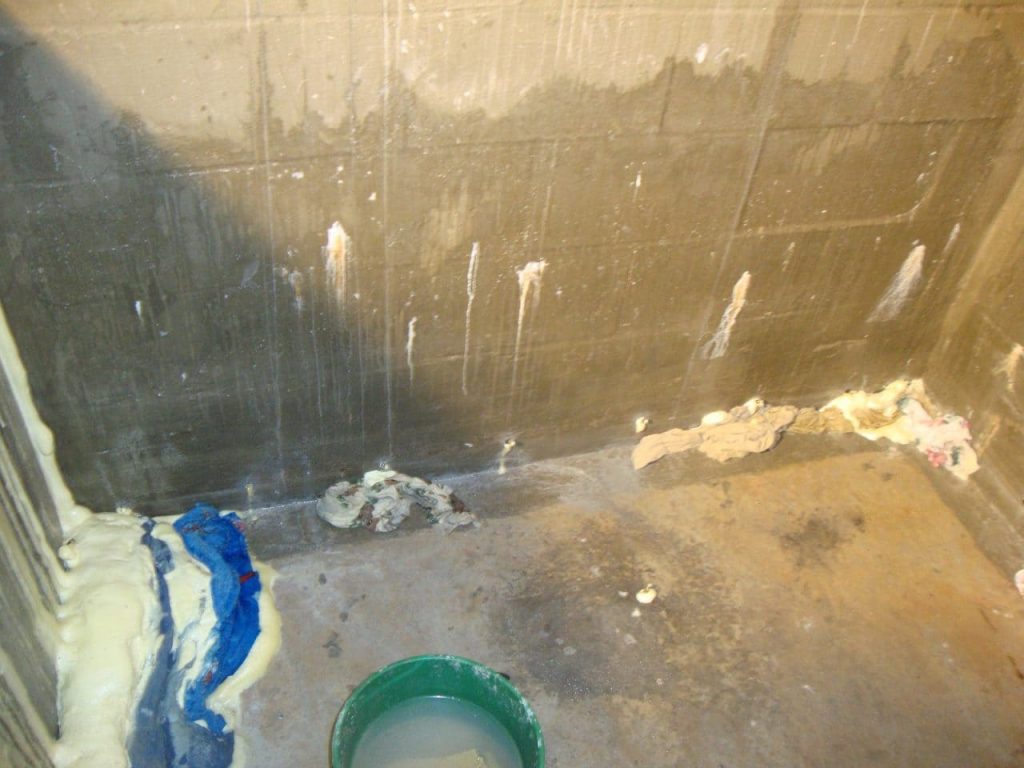
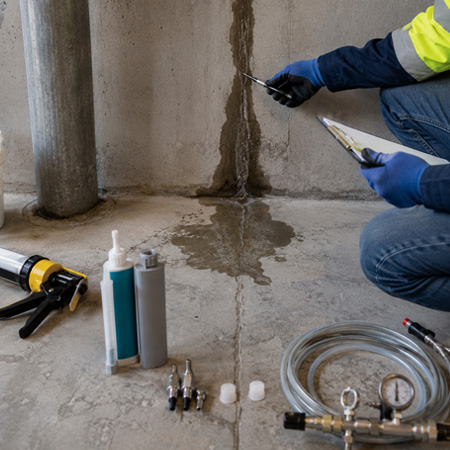
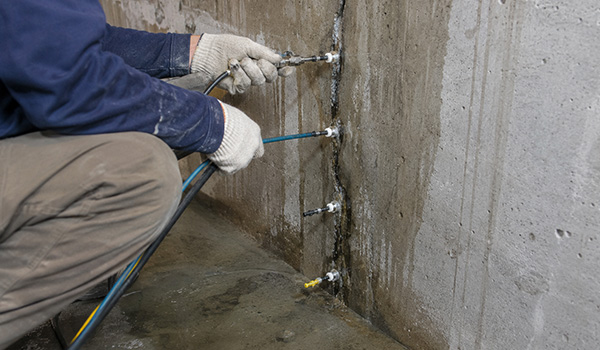
Chemical injection is commonly used for concrete crack repair where water is moving through a defined crack or narrow void. Polyurethane or epoxy resin is injected under pressure so the material can travel into the leak path and seal it from within the concrete, rather than simply covering the visible surface.

Polyurethane injection for concrete leaks is often suited to active water entry because the material can react and expand within the crack, while epoxy may be considered where the repair also needs to restore strength to a stable crack. The right material depends on the width and movement of the crack, the amount of water pressure present and the condition of the surrounding concrete.

repairing leaking construction expansion joints

Repairing Leaking Construction and Expansion Joints

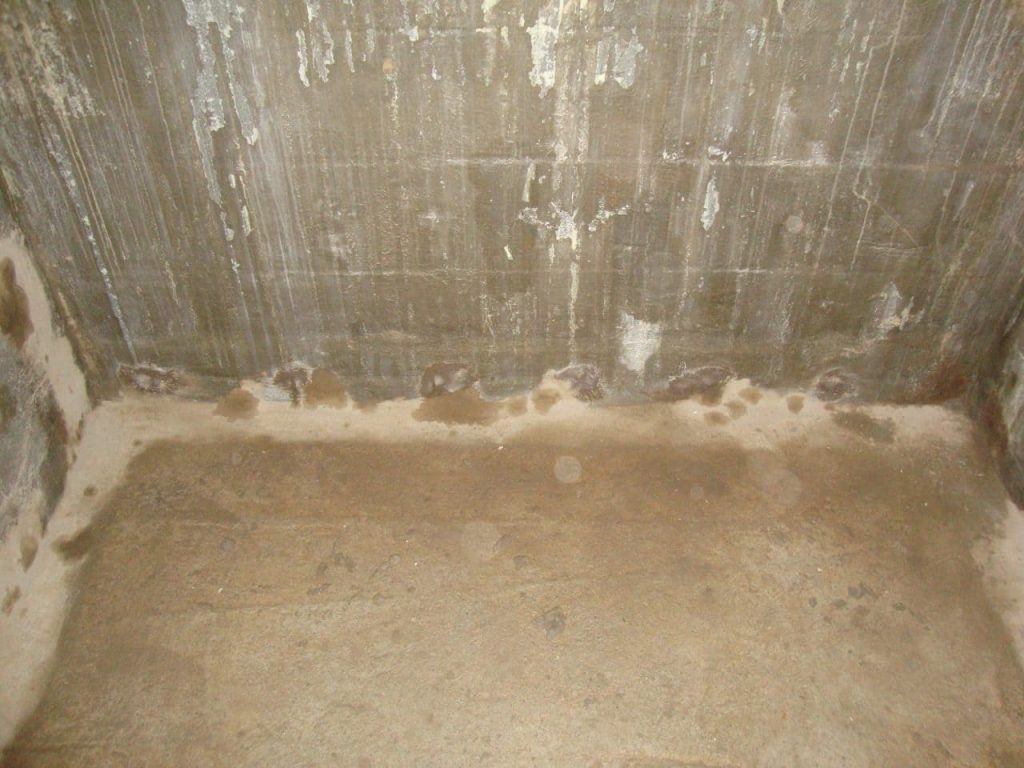
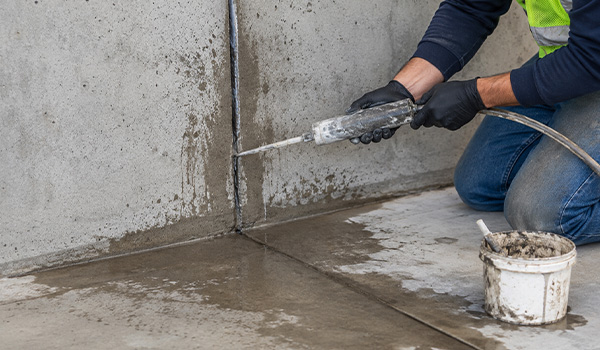
Construction and expansion joints are designed to separate sections of concrete and allow for movement, which means they need a repair method that can accommodate ongoing changes in the structure. A leaking construction joint may develop where the original sealant has deteriorated, the joint has opened further or water pressure has started forcing moisture through the gap.

Depending on the condition of the joint, the repair may involve removing failed sealant, installing a flexible joint system or using chemical injection to seal the water path within the concrete. The selected method needs to account for movement, joint width and water pressure so the repair does not become rigid and fail as the structure continues to shift.

Sealing Leaks Around Pipes and Other Penetrations

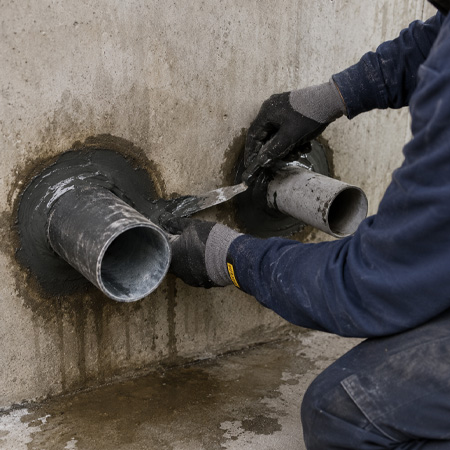
Pipes, drains, conduits and other services create openings through the concrete that rely on a secure seal around the penetration. Leaks around pipe penetrations can develop when the original sealant shrinks, the pipe moves slightly or a gap forms between the service and the surrounding concrete.

Repair may involve removing failed material, resealing the opening or using chemical injection where water is tracking through a deeper void around the penetration. Concrete penetration sealing needs to suit the type of service, the size of the gap and the level of water pressure, particularly where different materials expand and move at different rates.

Concrete Leak Repair Methods for Cracks, Joints and Penetrations

Other Concrete Leak Repair Methods

Chemical injection is only one option for repairing water entry through concrete. Depending on the leak location, surface condition and level of water pressure, other concrete leak repair methods may be used on their own or alongside injection:

  • Surface crack sealing for fine, stable cracks with limited water movement
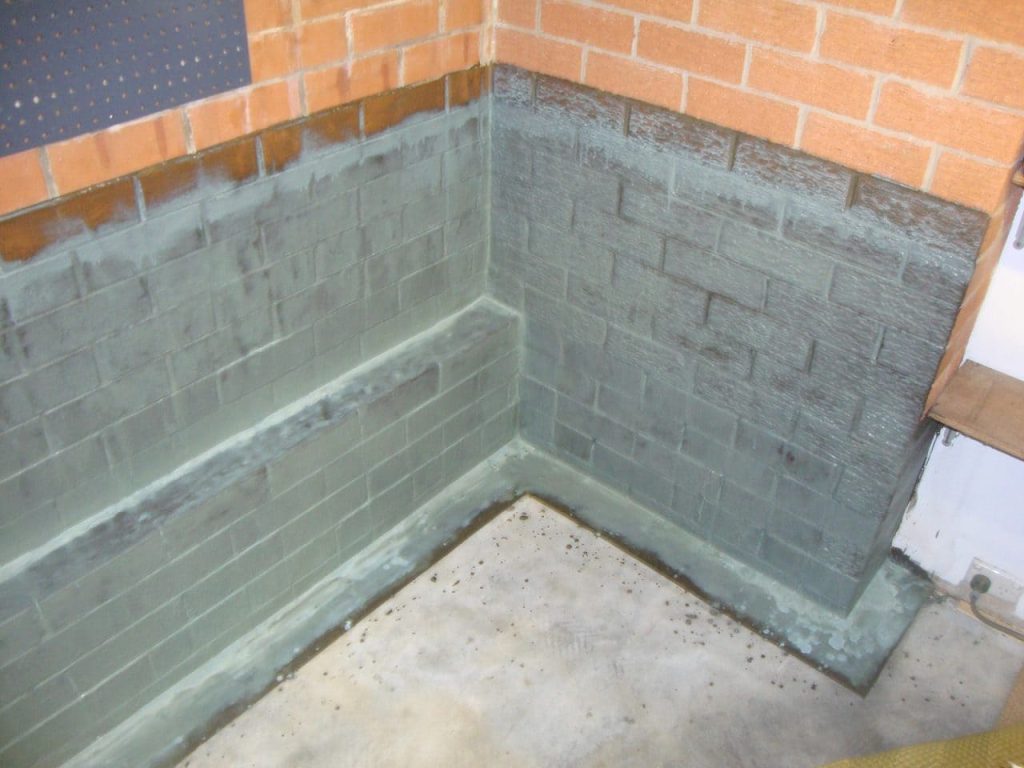
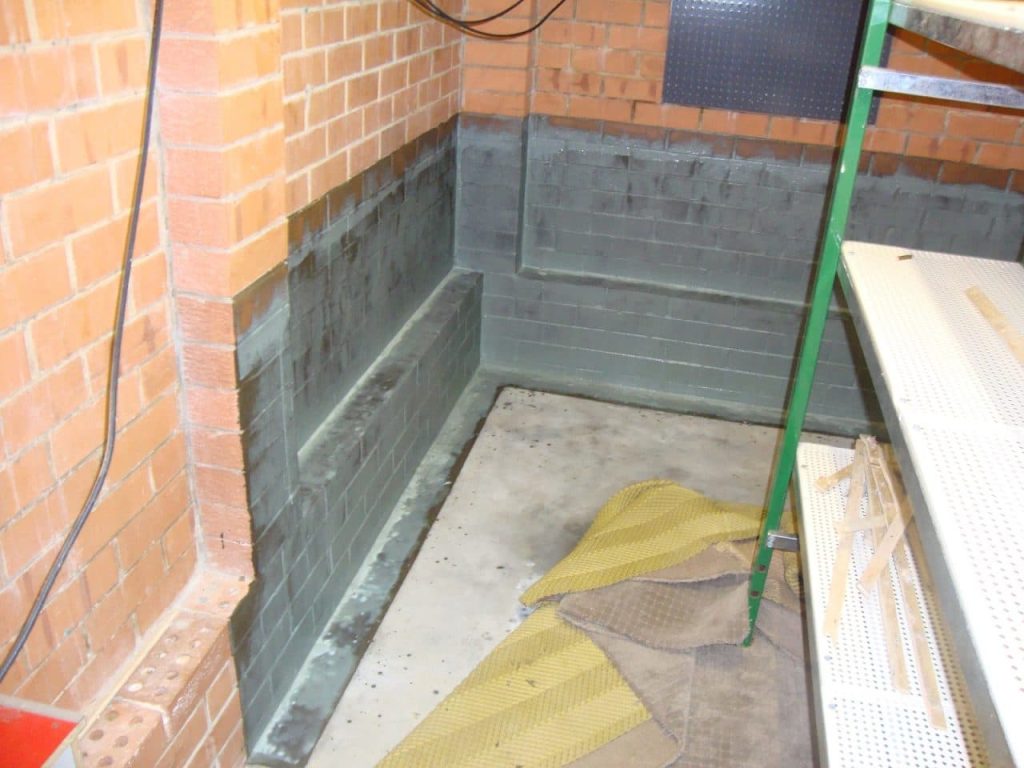
  • Waterproof coatings to protect larger areas where the concrete surface is exposed to moisture
  • Joint sealant replacement where existing flexible sealants have deteriorated or separated
  • Localised concrete repair where damaged or deteriorated material needs to be removed and rebuilt
  • Drainage improvements to reduce ongoing water pressure against the structure

These methods need to be selected according to how the leak is behaving and whether the repair must deal with movement, active water flow or broader surface deterioration. In some cases, the most effective result comes from combining injection with sealing, coatings or local concrete repair rather than relying on one method alone.

Why Surface Patching Often Fails

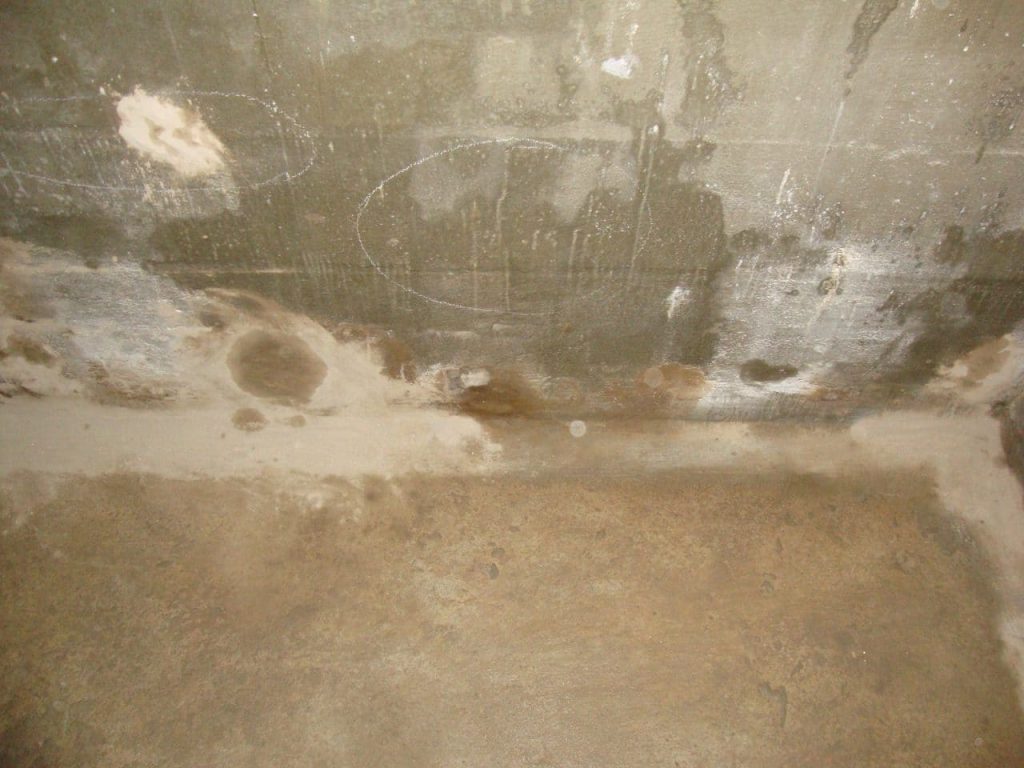
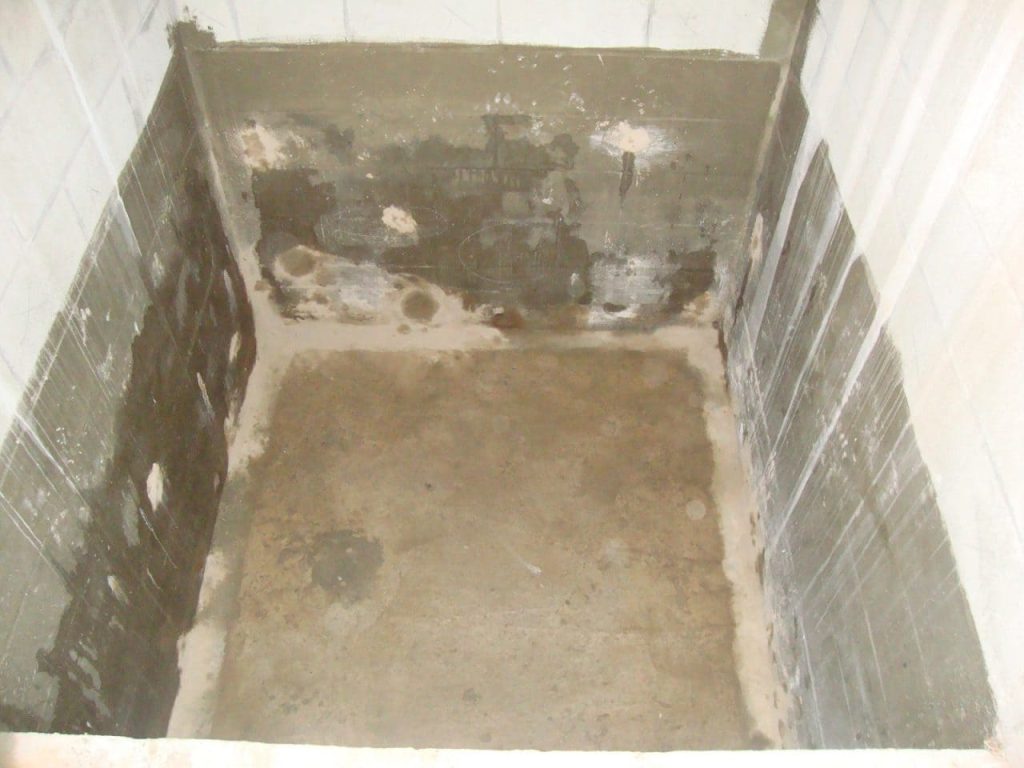
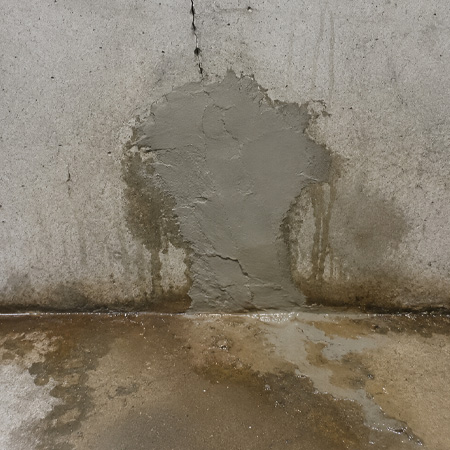
A surface patch may cover the visible opening without sealing the full path water is taking through the concrete. Where pressure remains behind the crack or joint, water can move around the patched area, reopen the repair or begin appearing at another weak point nearby.

Surface patching can still be useful for minor, stable damage, but it is less reliable where there is active leakage, movement or a deeper void within the structure. Repairing leaks in concrete often requires a method that reaches further into the crack or joint, particularly when moisture is being driven through the structure under pressure.

Concrete Leak Repair Methods for Cracks, Joints and Penetrations

Choosing a Concrete Leak Repair Method

The right repair method depends on more than the visible size of the leak. Crack movement, active water flow, access to the affected area, concrete condition and water pressure all influence whether the repair should involve injection, flexible sealing, waterproof coatings or localised remediation.

The side of the structure that can be accessed also affects the approach. Where the external face cannot be reached, negative-side waterproofing or injection may be considered from inside the structure, while accessible external areas may allow the source side of the leak to be treated more directly. A practical assessment helps match the repair method to the way the water is entering and the conditions around the concrete.

Concrete Leak Repair Methods for Cracks, Joints and Penetrations

Need Help Repairing a Concrete Leak?

Advanced Waterstop repairs leaks through concrete cracks, joints and penetrations using methods suited to the structure and the way water is entering. Call Shane on 0437 016 870 or touch base online to discuss the leak and arrange an assessment.