Chemical Injection Systems in South East Queensland

Chemical injection is used to treat water movement and cracking within concrete, blockwork and other solid structures by introducing repair material directly into the affected path. Advanced Waterstop provides chemical injection for leaking cracks, joints, penetrations and voids where a surface-only repair would not adequately address the problem.

Depending on the condition of the structure and the purpose of the repair, the work may involve polyurethane injection to shut down active water leaks or epoxy injection where a rigid crack repair is required. The choice between the two depends on factors such as water flow, movement, crack condition and the surrounding concrete, rather than treating every leak or crack with the same material.

Typical Applications for Chemical Injection

Chemical injection can be applied across a range of concrete and masonry structures where cracks, joints or voids are allowing water through or require targeted repair. The method is particularly useful in established structures where the affected path can be accessed from the exposed side rather than opening up the opposite face of the wall, slab or structure, such as:

The application alone does not determine the injection material or repair method. A leaking basement joint, a water-bearing crack through a slab and a dry crack requiring rigid repair can all call for different treatment, even though injection may form part of each job.

Chemical Injection for Concrete Leaks

Water can travel through surprisingly small defects in concrete, particularly where cracks, joints or penetrations provide a continuous path through the structure. Concrete injection allows repair material to be introduced into that path rather than relying only on a coating or seal applied to the exposed surface. This makes the method useful in areas where the source of the leak is contained within the concrete itself or where access from the opposite side is limited.

The exact injection approach depends on what is allowing the water through and how the affected area is behaving. Cracks carrying active water, leaking construction joints and voids around penetrations can require different materials or application methods, so chemical injection is selected around the defect rather than applied as a single standard treatment.

Polyurethane or Epoxy: What Determines the Right Material?

Choosing between polyurethane and epoxy starts with the purpose of the repair. Active water flow generally calls for a material capable of sealing the leak path, while a dry and stable crack may require a rigid repair that restores continuity through the concrete. Crack width, movement, moisture conditions and the state of the surrounding substrate can all affect that decision.

This is why polyurethane or epoxy injection should be selected after the defect has been assessed rather than treated as interchangeable options. In some areas, stopping water is the immediate priority; in others, the condition of the concrete or the stability of the crack is more important. Matching the material to those conditions gives the injection work a much clearer repair objective.

Polyurethane Injection for Active Water Leaks

Polyurethane Injection for Active Water Leaks

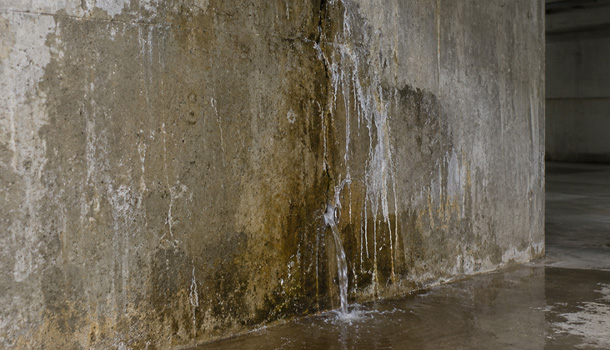
Polyurethane injection is used where water is actively moving through a crack, joint or void in concrete or masonry. The resin is introduced under pressure into the leak path, where it reacts and expands to fill available space and form a barrier against further water movement. This makes it useful where the leak cannot be effectively treated from the exposed surface alone.

The method is commonly used as part of basement waterproofing, as well as in lift pits, car parks, tanks and other structures where water needs to be shut down from the accessible side. Polyurethane crack injection can also target defined cracks carrying water through otherwise suitable concrete, with the surrounding structure still determining whether injection is appropriate.

Epoxy Injection for Concrete Crack Repair

Epoxy Injection for Concrete Crack Repair

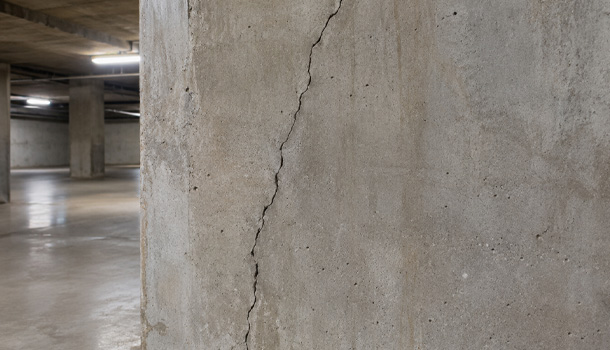
Where a crack is dry, relatively stable and requires a rigid repair, epoxy injection may be more appropriate than polyurethane. Epoxy can penetrate suitable cracks and bond separated concrete faces together once cured, making it useful where the repair objective is restoring continuity through the damaged section rather than stopping active water flow.

The condition and behaviour of the crack still determine whether concrete epoxy injection is suitable. Ongoing movement, contamination, active leakage or deterioration can all affect the repair. Where damage extends beyond the crack itself, concrete repair and remediation may be required first so the injection is carried out against sound surrounding concrete.

Talk to Advanced Waterstop About Chemical Injection

If water is entering through a concrete crack, joint, penetration or void, Advanced Waterstop can assess the affected area and determine whether polyurethane injection, epoxy injection or another repair method is appropriate.

Call Shane on 0437 016 870 or get in touch with us online to discuss the problem and arrange an assessment.