Waterproofing and Sealing Leaking Blockwalls

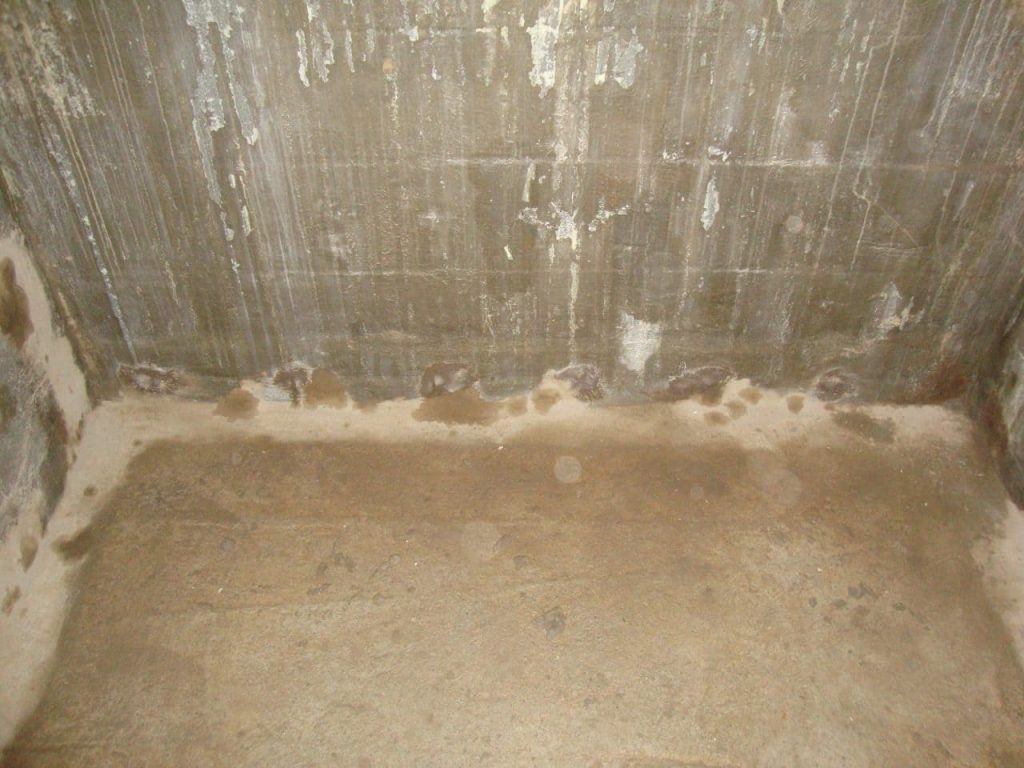
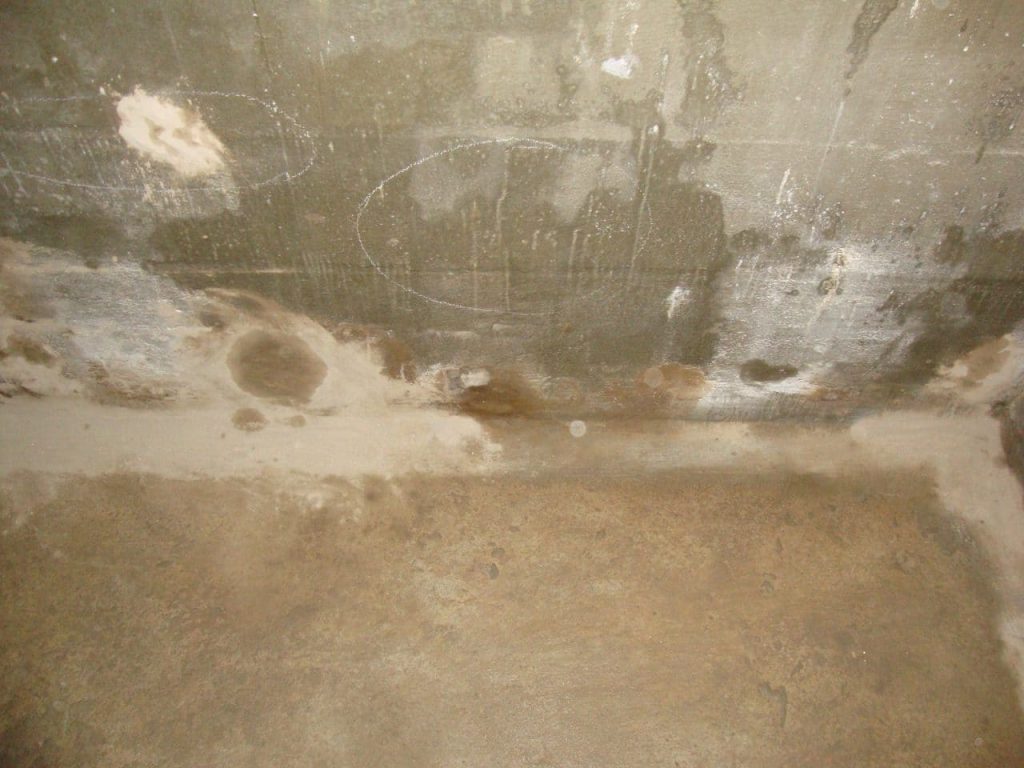
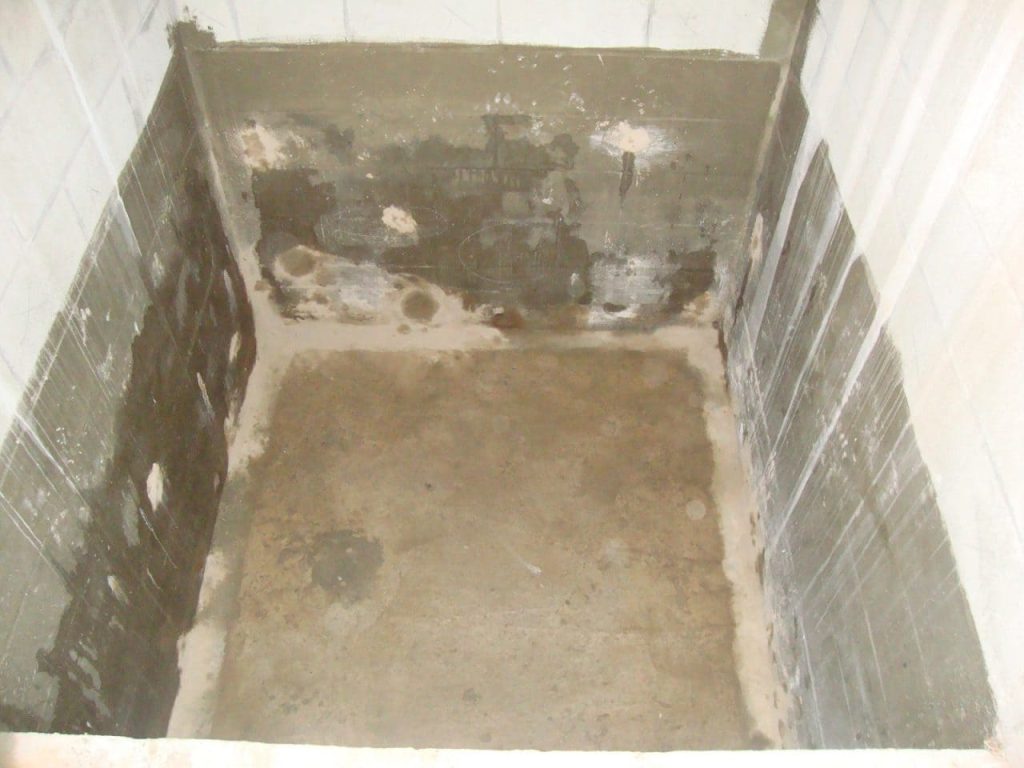
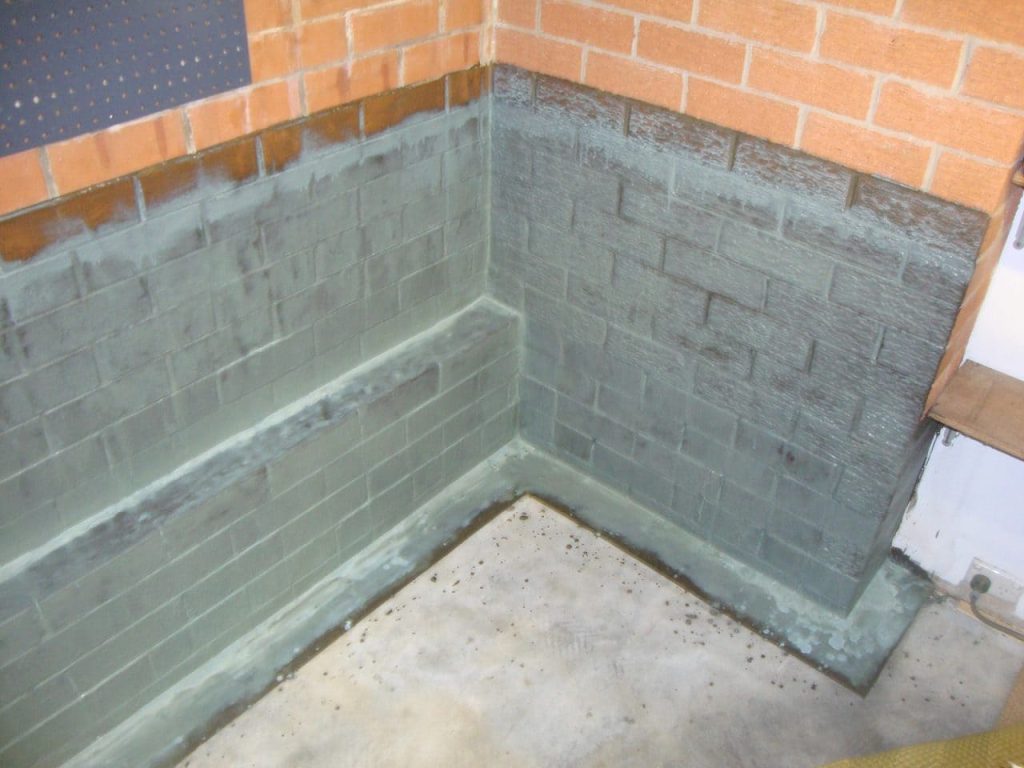
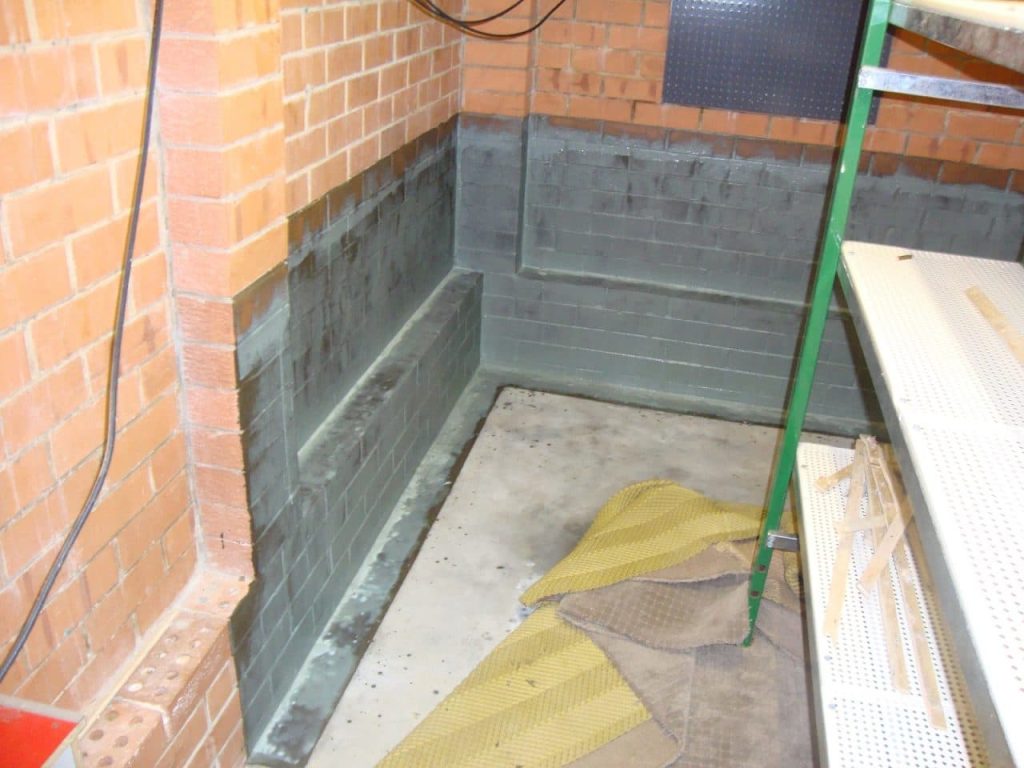
Leaking blockwalls can be frustrating because the water may not always enter through one neat, obvious crack. It can move through porous blockwork, mortar joints, cracks, hollow cores or weak points in the wall before showing up on the internal face.

Waterproofing and sealing a leaking blockwall depends on the wall condition, the leak location and how much water is moving through the structure. In some cases, chemical injection may be used to seal cracks or voids within the wall, while other situations may call for coating systems, joint sealing or broader waterproofing repairs.
Common Signs of a Leaking Blockwall

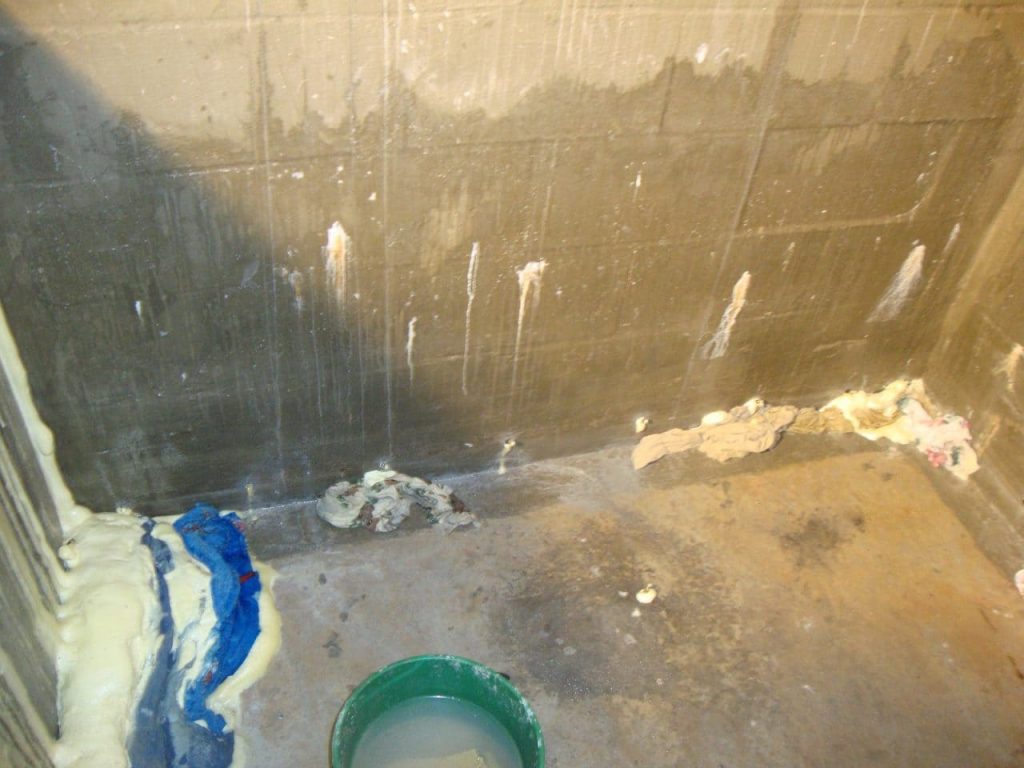
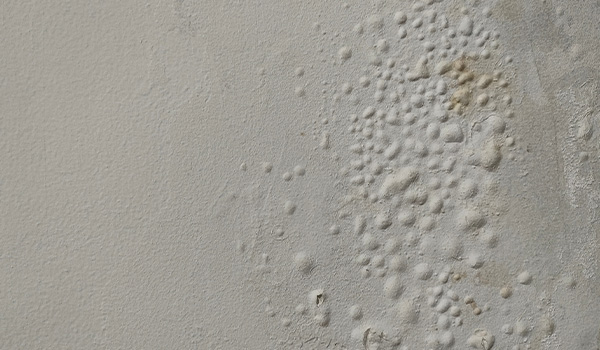
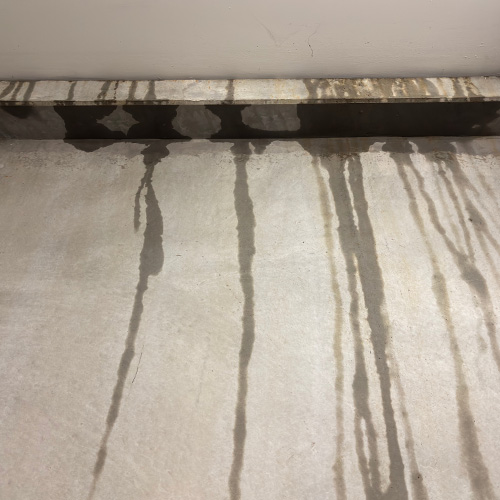
The most obvious sign of a leaking blockwall is water coming through the wall, especially after rain or when pressure builds behind the structure. In other cases, the issue may show up as dampness, staining or damage around the wall before there is a clear running leak.

Common signs can include:

  • Water leaking through the blockwall
  • Damp patches or water marks
  • Efflorescence on the surface
  • Damaged flooring or plasterboard
  • Musty smells or damp internal areas
  • Slippery surfaces near the wall
  • Water appearing after rain
  • Recurring leaks after temporary patching

These signs can point to water moving through cracks, joints, porous sections or hollow areas within the wall. The right repair depends on how the water is entering and whether the wall needs injection, sealing, coating or wider waterproofing work.

Waterproofing and Sealing Leaking Blockwalls

Why Blockwalls Can Be Difficult to Seal

Blockwalls can be difficult to seal because water may move through more than one path before it reaches the visible side of the wall. Cracks, mortar joints, porous blockwork and hollow cores can all allow moisture through, especially when water is sitting behind the wall or pressure builds after heavy rain.

A surface patch may not hold if the water is still moving through the wall behind it. Sealing the problem properly usually means treating the path water is using, not just covering the damp or stained area on the face of the blockwork.

Chemical Injection for Leaking Blockwalls

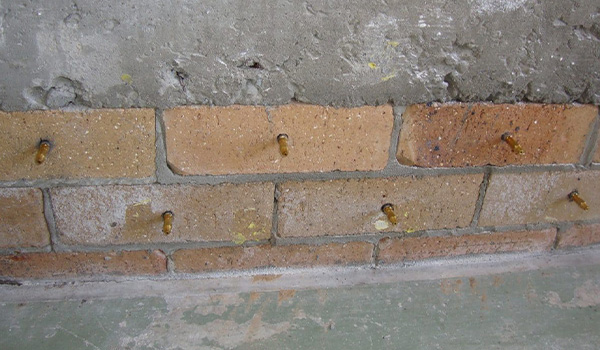
Chemical injection can be used where water is moving through cracks, joints, voids or hollow areas within the blockwall. Polyurethane or epoxy is injected into the affected area under pressure, allowing the material to move into the leak path and form a barrier inside the wall rather than only sealing the surface.

This method is useful when access to the outside of the wall is limited or when the leak needs to be treated from the internal side. Depending on the wall condition and the way water is moving, chemical injection may be used on its own or as part of a broader waterproofing and sealing repair.

Waterproof Coatings for Blockwork and Brickwork

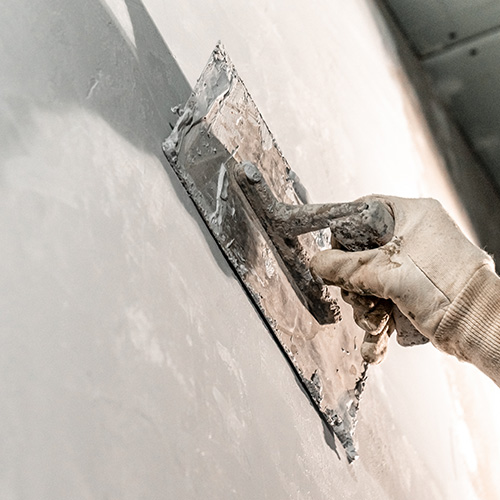
Waterproof coating systems may be used to add protection to the internal or external face of blockwork and brickwork, depending on the wall condition and access available. These coatings can help reduce further moisture movement through the treated surface, but the wall needs to be assessed first so the system suits the level of dampness, exposure and surface condition.

Coatings are often more effective once active leaks have been controlled, especially where water is entering through cracks, joints or voids behind the surface. In those cases, chemical injection or sealing work may be completed first, with the coating system used as part of the overall waterproofing repair.

Waterproofing and Sealing Leaking Blockwalls

When Blockwall Sealing May Need a Broader Repair

Some leaking blockwalls need more than one repair method, especially if water is entering through several points or the wall is affected by surrounding site conditions. Pipe penetrations, failed joints, poor drainage, damaged concrete, external waterproofing issues or ongoing pressure behind the wall can all influence the repair approach.

In these cases, blockwall sealing may be supported by chemical injection, joint sealing, protective coatings or related waterproofing repairs. The aim is to treat the wall in a way that suits how the water is entering, rather than relying on one product or method for every leaking blockwall.

Need Help With a Leaking Blockwall?

If water is leaking through a blockwall, brickwork, joints or cracks, Advanced Waterstop can assess the issue and recommend a practical blockwall and brickwork sealing method. . Call Shane on 0437 016 870 or get in touch with us online to discuss the leak.